Apr 3, 2016 | Stumps
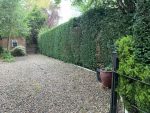
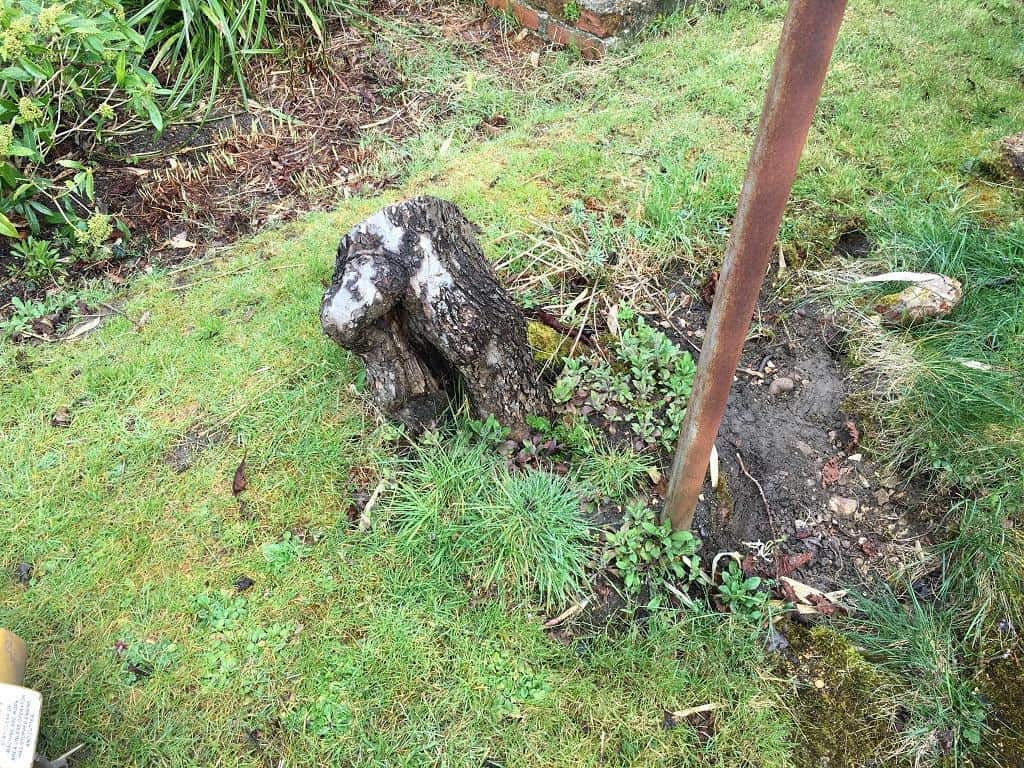
Stump grinding. Some that were removed today
If you had some trees cut down recently, or had stumps in your garden for quite awhile, maybe it’s time you should consider having them professionaly removed.
WHY?
- It usually takes many years ( >10 ) for a stump to decay naturally and it is:
- unsightly
- make mowing difficult
- can be a trip hazard ! – H&S 🙂
- Ever heard of honey fungus ? Tree stumps left in the ground are a perfect base for that fungus to start invading and damaging your precious plants
Contact us for a free stump grinding service quotation
Apr 2, 2016 | Landscaping, Planting
Let’s not beat about the bush..
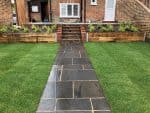
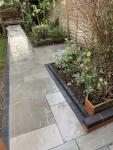
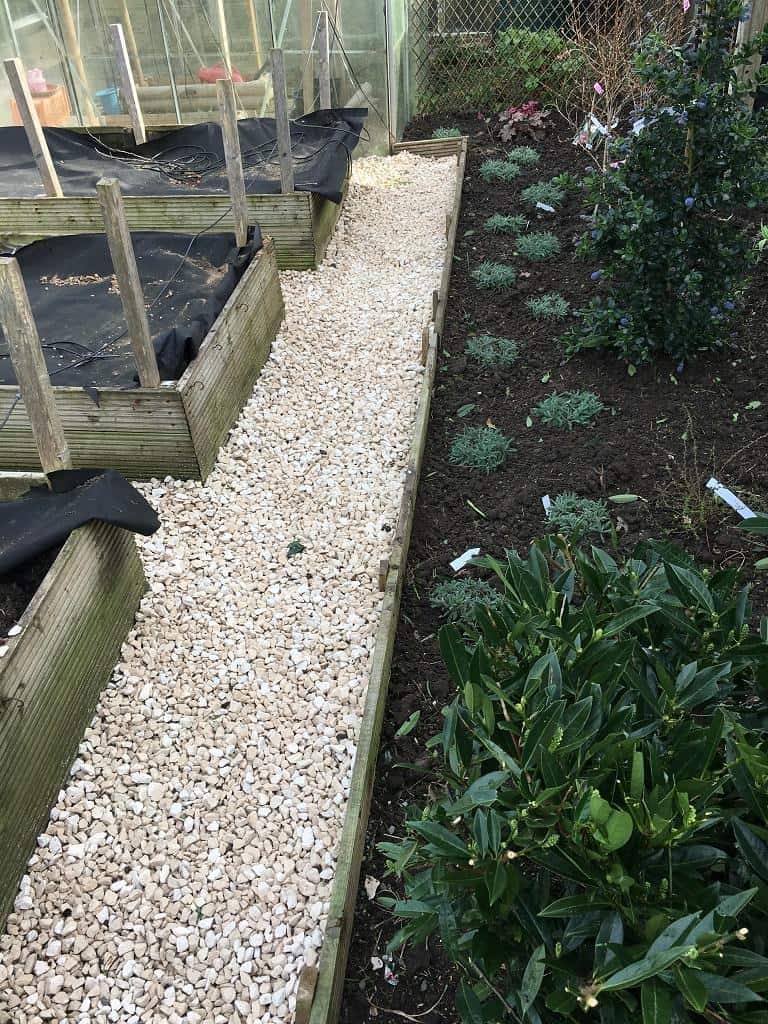
Was asked to refresh the area around the vegetable patches and come up with some planting ideas for two borders along the fence. Ultimately Low maintanance borders. Also to plant some bushes to provide some screening and be attractive as well.
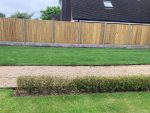
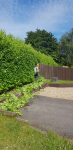
Photos before and after:
New planting scheme includes:
- Achillea nobilis asubs. neilreichii
- Bergenias
- Geranium macrorrhizum ‘Czakor’
- Antehmis punctata subsp. cupaniana
- Calluna vulgaris ‘Winter chocolate’
- Armeria maritma thrift
- Parahebe catarractae ‘Delight’
- Ajuga reptans ‘Braunherz’
- Forsythia spectabilis
- Spirea arguta
- Weigela burgundy
- Caenothus Yankee Point
Few months later, that is today ( June 2016 ) I have been in the garden to see how things are doing. Everything’s good !
Plants have taken in, borders are full and everything looks much better ! Certainly an improvement.
Thanks for looking !
Apr 2, 2016
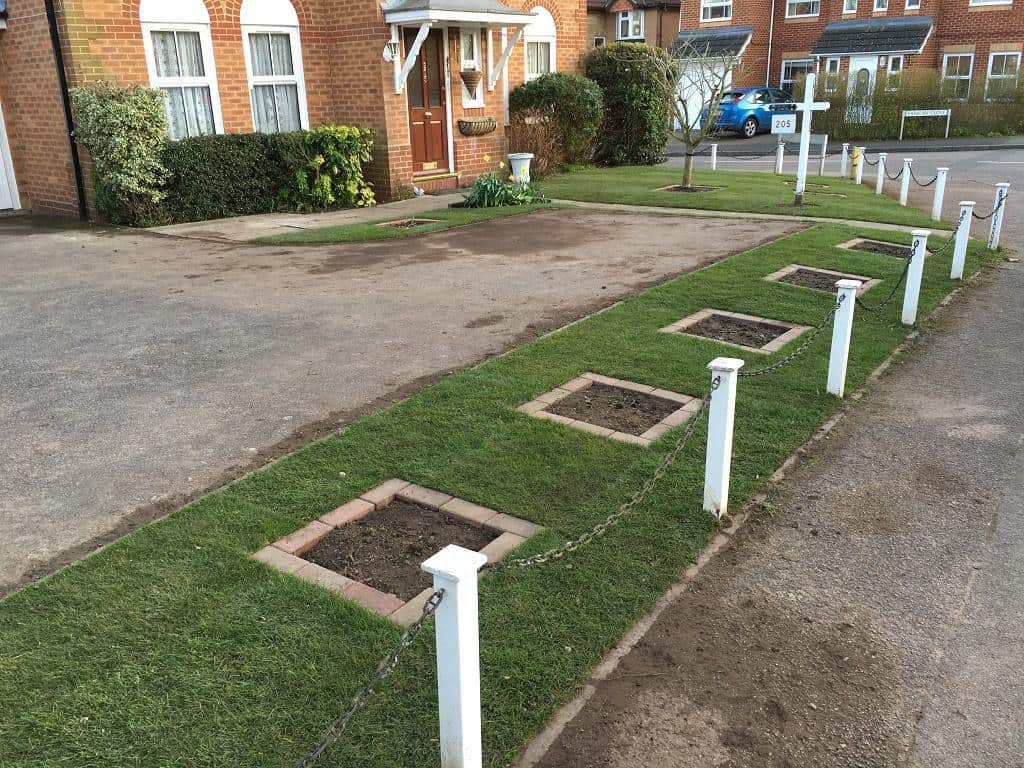
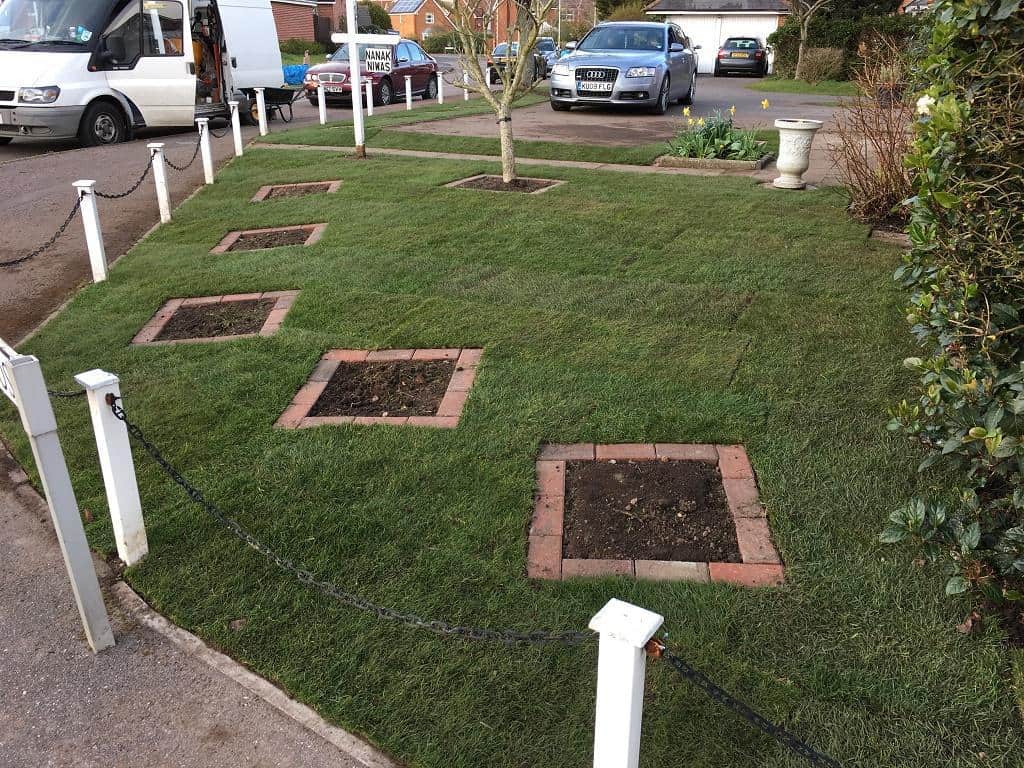
Paul recently re-landscaped my front lawn. He removed so serious hard to get tree stumps, levelled out the ground, relaid the lawn and finished off by doing some pave edgings for some rose bushes. The quality of his work was really good and he even started the work on the Easter Monday Bank Holiday. I have already recommended him to my brother and will do the same to those who ask who did the work. Excellent work by a polite and friendly chap.
Mar 30, 2016 | Landscaping, Lawn maintenance, Turfing
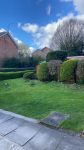
Landscaping of a front yard in Reading
Identified problems:
- Lawn too high and growing into the pathways, pavements. Soil has built up over the years.
- No proper border / edging between rose beds and lawn
- Lawn difficult to mow / maintain.
What’s been done:
- Removed old turf and excess soil and levelled all the area, returfed.
- Edged all flower beds and tree with bricks
- Cutting a lawn is now much easier thanks to all the edging
Mar 16, 2016 | News
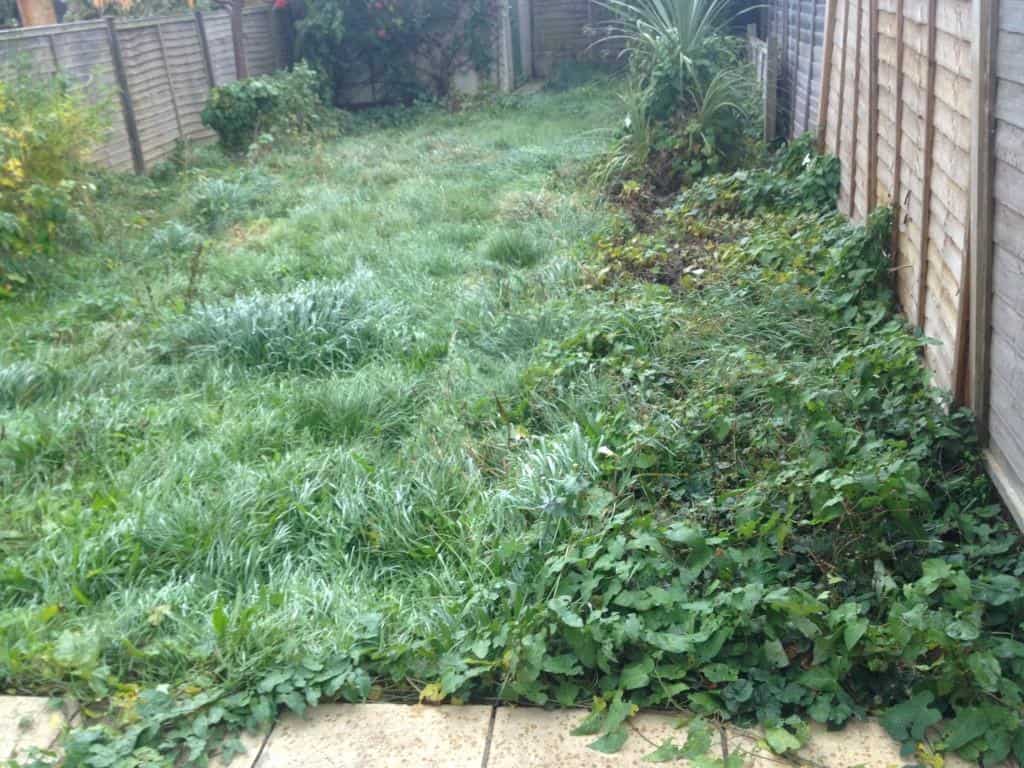
Weeds can be a good soil indicator

In this article I will provide some information about how to determine type of soil in your gardens.
It’s based on weeds observation. Some weeds as well as more desired plants like certain conditions. By observing carefully what weeds grow in your garden you can then assess what “good plants” would thrive in this spot.
Observing the most prevalent weeds can indicate if soil is:
- acidic
- alkaline
- healthy and balanced
- depleted of certain nutrients
- poor draining soils
- sandy soils – poorly retaining moisture
Some points you have to take into consideration:
- You have to observe several the most prevailing weeds
- Pay attention to healthy weeds. You might find a certain weeds growing in many places, but in some of them the same weed will be healthy and in some others not so much ..
Plants like hydrangeas or cornflowers (Centaurea cyanus)are excellent soil indicators.
Some grow very well in most soils like: purple nettle ( lamium purpureum ) and Shepherd’s purse ( Capsella bursa pastoris )
Today I would like to concentrate on weeds that prevail in acidic soils. Weeds that may indicate an acidic type of soil are:
Plants that grow well in an acidic soil are amongst others: azaleas, hydrangeas, rhododendrons, camellias
And fruit and vegetables like: rhubarb, potatoes, shallots, sweet potatoes, endive and watermelons, blueberries
Next I would like to list some weeds that prevail in alkaline soils, that is soils which PH is higher than 7.0. Weeds that may indicate an alkaline type of soil are:
Please find a few plants that will grow well in both acidic and alkaline soils but are also good for partial shade, clay and poorly drained soils – these are conditions most common for Reading, Berkshire.
Anny’s Winter Orange (Cornus sanguinea), Bamburanta (Ctenanthe lubbersiana), Chilean rhubarb (Gunnera manicata), Snowberry Hancock (Symphoricarpos chenaultii), Strawberry Fields (Deutzia hybrida), Veitchii (Deutzia longifolia), Chestnut-leaved rodgersia (Rodgersia aesculifolia), Golden creeping Jenny (Lysimachia nummularia), Knotweed Superba (Persicaria affinis), Variegated Japanese spurge (Pachysandra terminalis), Bleeding heart ‘Langtrees’ (Dicentra formosa)